
Heating a home through a British winter can be expensive, but the answer is not to switch it off. The better approach is to stop paying for heat you do not need: heat the rooms you use, keep your system working efficiently and stop warm air escaping.
This guide covers simple steps you can take today, low-cost improvements and bigger upgrades worth considering. It is written with London homeowners, tenants and landlords in mind, where older properties, solid walls and converted flats can make heating harder.
Set your thermostat to the lowest comfortable temperature (many people find 18°C to 21°C right), use timers and radiator valves so you only heat what you use, service your boiler every year, fix draughts and look into the cause of any cold rooms before turning the heating up. If your system is old or struggling, a professional assessment can show whether a repair, better controls or an upgrade makes sense.
Free and Low-Cost Ways to Save
1. Set the Thermostat to the Lowest Comfortable Temperature
A thermostat does not make your boiler work harder. It switches the heating on and off to hold the temperature you choose. A higher setting does not heat the room faster, and it can waste energy.
A range of 18°C to 21°C suits many homes, but needs vary. Babies, older people and people with certain health conditions may need a warmer home, so do not lower the temperature to a level that is unsafe for them. Try 18°C first, then raise it one degree at a time until you are comfortable.
2. Use Your Heating Controls Properly
A timer or programmer lets you heat your home only when you need it. Room thermostats and thermostatic radiator valves (TRVs) let you control the temperature in different rooms. Smart controls add the option of changing the schedule from your phone, which is handy if your routine changes.
Savings depend on your home and your current set-up, but good controls help you avoid heating empty rooms or heating the house before anyone is home.
3. Heat the Rooms You Use
You do not need the same temperature in every room. A living room needs more heat than a spare bedroom. Use TRVs to turn down radiators in rooms you rarely use, and keep those doors closed so that warm air stays where you are.
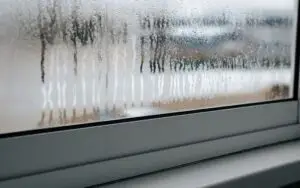
Do not switch heating off completely in very cold weather, particularly in rooms that could get damp. A low background temperature or the frost setting can help avoid condensation and frozen pipes.
4. Look at Your Boiler Settings
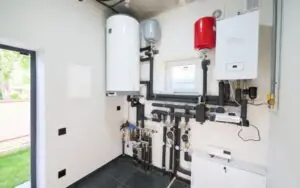
Many condensing boilers work more efficiently at a lower flow temperature, often around 60°C or below, but the right setting depends on your boiler and system. Do not change settings unless you are sure what they do. Check the manufacturer’s instructions or ask a qualified heating engineer.
5. Service Your Boiler Every Year
Regular servicing helps your boiler run safely, reliably and efficiently. Manufacturers generally recommend an annual service, and it can pick up small faults before they turn into a breakdown in the middle of winter.
If you are a landlord, you must also have gas appliances checked for safety every year by a Gas Safe registered engineer. Air Hive UK’s Gas Safe engineers offer boiler servicing and repairs in London for homes and businesses.
Get your boiler checked if it is noisy, keeps losing pressure, struggles to heat radiators or often shows faults.
6. Keep Radiators Working Properly
- Bleed radiators if they have trapped air, which makes the top feel cold.
- Do not cover radiators with furniture or heavy curtains.
- If a radiator is cold at the bottom, that is a different problem, often caused by sludge or poor circulation, and needs checking by an engineer.
7. Cut Down on Draughts and Heat Loss
Heat that escapes through gaps is heat you have paid for.
- Draught-proof doors, letterboxes and windows. Sash windows in older London homes often need attention.
- Close curtains at dusk to keep warmth in.
- Check your loft insulation, if you have access.
- Close internal doors to keep heat in the rooms you are using.
Bigger Upgrades to Consider
Upgrade Your Controls
Better controls can make your existing system work more sensibly. A programmer, room thermostat, TRVs or smart controls let you set different schedules and temperatures. Air Hive UK offers heating controls and radiator upgrades in London, including smart thermostats and new radiators, so you can match the heating to how you live.
Review Your Heating System
An old or oversized system can cost more to run, and it may be struggling to keep the home warm. But age alone does not mean you must replace it. Weigh the possible efficiency gain against the installation cost and the remaining life of your system.
The right answer depends on your property: its size, hot water needs, pipework, insulation and radiator sizes.
Consider Heat Pumps and Heating-Capable Air Conditioning
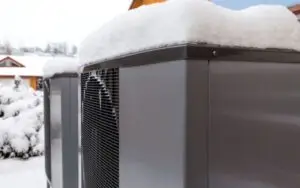
When you replace or upgrade your heating, look at more than one option. Some modern air conditioning systems can heat as well as cool. Heat pumps move heat rather than burning fuel, but they work differently from a boiler and suit some homes better than others. In England and Wales, some heat pump installations may be eligible for government support, so check the current rules.
The cheapest system to install is not always the cheapest to run, so compare the full cost over time.
Keep Heating-Capable Air Conditioning Serviced
If you use your air conditioning for heating, do not wait until summer to look after it. Dirty filters and poor maintenance can reduce performance and increase energy use. Warning signs include weak airflow, strange noises, water leaks, poor heating or cooling and higher bills. Air Hive UK offers air conditioning maintenance in London, and it is sensible to book a check before the coldest weather arrives.
Do Not Fix a Cold Room by Turning Up the Heating
If one room is always cold, turning up the thermostat for the whole house wastes energy and hides the real problem. Possible causes include:
- a radiator that is not heating properly
- an unbalanced heating system
- faulty controls or valves
- poor insulation or draughts in that room
- a boiler or system that cannot supply enough heat
A professional diagnosis can show whether the cause is the boiler, the radiators, the controls or the building.
A London Example
Imagine a London homeowner with an older boiler who keeps turning up the thermostat because one bedroom is cold. Before replacing the boiler, it makes sense to check the radiator in that room, the TRV, the heating controls and any draughts or heat loss. If the rest of the home is comfortable, a bigger boiler is unlikely to be the answer.
The best approach is to find the cause first, then decide whether you need maintenance, a radiator or controls upgrade, insulation work or a bigger system change.
Common Mistakes to Avoid
- Turning up the thermostat to heat a room faster: A higher setting does not heat a room faster.
- Choosing equipment on price alone: Installation cost, running costs, maintenance and suitability for your home all affect long-term value.
- Skipping maintenance: Small faults reduce efficiency and can turn into expensive breakdowns.
- Replacing equipment without checking the system: A new boiler, heat pump or air conditioner must suit your home. Good design matters as much as the appliance.
- Switching the heating off completely in very cold weather: This can cause damp, condensation and frozen pipes.
When Should You Call a Professional?
Call a qualified engineer if:
- Your boiler is noisy, loses pressure or breaks down often.
- Radiators are cold at the bottom, or some rooms never get warm.
- Your bills have risen sharply without an obvious reason.
- You are considering a new boiler, heat pump or heating-capable air conditioning system.
Air Hive UK is based in Hounslow and works across West London and Greater London. Our air conditioning team also offers free, no-obligation site surveys, which help you compare your options before you commit to anything.
Frequently Asked Questions
What is the most cost-effective temperature for my heating?
Many households are comfortable at 18°C to 21°C. Choose the lowest temperature that keeps everyone comfortable, and bear in mind that some people need a warmer home.
How can I save energy on heating without making my house cold?
Use timers and TRVs, set a sensible thermostat temperature, service your boiler every year, reduce draughts and find out why any room is cold before turning up the heating.
Can an air conditioner heat my home in winter?
Many modern air conditioners can heat as well as cool. Whether this suits your home depends on the system, the property and your heating needs.
Is it worth lowering my boiler’s flow temperature?
It can improve the efficiency of many condensing boilers, but it should not be set so low that your home does not stay warm. Check the manufacturer’s instructions or ask a qualified engineer.
How often should I service my boiler?
Once a year is the usual recommendation, to check safety, condition and performance. Follow the manufacturer’s guidance, and landlords must arrange an annual gas safety check.
Is a heat pump a good option for a London home?
It can be, depending on the property, insulation, radiators and outdoor space. A professional survey should come before any decision. Grants may be available for eligible installations, so check the current rules.
Where can I get help if I am struggling with heating costs?
Contact your energy supplier or local council to ask about support schemes, and speak to a trusted advice service.
Final Thoughts
Saving money on heating is mostly about reducing waste, not making your home colder. Start with your thermostat and controls, keep your boiler and any heating-capable air conditioning maintained, look into cold rooms instead of turning up the heat and think about whether your system still suits your home.
If you are considering a bigger change, such as new controls, radiators, a boiler or a heat pump, Air Hive UK can help you compare your options for your property in London.