Setting your thermostat correctly is one of the easiest ways to stay warm and keep your heating bills under control in winter. But what is the best thermostat setting for winter in the London?
For most homes, a good starting point is between 18°C and 21°C. The right figure for you depends on who lives in the property, how well it is insulated, what type of heating you have and how you use each room. This guide explains how to choose a comfortable setting, why turning the thermostat up does not heat a room faster and what to check if your home still feels cold.
Start at around 18°C and raise it by one degree at a time until you are comfortable. Most people find 19°C to 21°C right. Choose the lowest temperature that feels comfortable, because a higher setting does not heat your home faster and will usually use more energy.
What Should the Thermostat Be Set To in Winter?
A range of 18°C to 21°C works for most london homes. The Energy Saving Trust advises choosing the lowest temperature that is comfortable for you.
As a simple guide:
- 18°C: A sensible starting point for many healthy adults.
- 19°C to 20°C: Comfortable for most households.
- 21°C: Useful if you want a warmer home, for example when someone is at home all day.
- Above 21°C: May feel cosier, but it will usually increase your energy use.
There is no single temperature that suits every home. The aim is to find a comfortable setting, not the highest one.
Who May Need a Warmer Home?
Health guidance in the UK, including advice from the NHS and the UK Health Security Agency, says that homes should be kept at 18°C or above, especially for:
- people aged 65 and over
- people with long-term health conditions
- young children and babies
- people with limited mobility
Some people need more warmth than others. If this applies to you or someone you care for, do not lower the thermostat just to save money. Speak to your GP or a local advice service if you are worried about heating costs.
For workplaces, the Health and Safety Executive advises a minimum of 16°C for sedentary work such as office work, and 13°C where the work involves physical effort.
Does a Higher Thermostat Setting Heat a Room Faster?
With most standard room thermostats, no. The thermostat tells your heating when to stop, not how hard to work. If your room is 17°C and you set the thermostat to 24°C instead of 19°C, the heating will not warm the room faster. It will simply keep running for longer, until the higher temperature is reached.
If your home takes a long time to warm up, look for the cause rather than turning the thermostat up again and again. Common causes include:
- poor insulation or draughts
- a heating system that is too small for the property
- radiators that are blocked or cold in places
- a thermostat in the wrong position
- faulty controls
- an ageing boiler or heating system
- an air conditioning unit that needs servicing
Why London Homes Can Feel Cold
Many London homes have features that make heating harder.
- Older properties: Victorian and Edwardian houses often have solid walls, which lose heat more easily than modern cavity walls.
- Single-glazed or draughty windows: Sash windows and old frames can let warm air escape.
- Converted flats: Rooms can vary a lot in temperature, and some flats have little control over a communal heating system.
- Top-floor flats and lofts: These can lose heat quickly through the roof.
If your thermostat reads 20°C but certain rooms still feel cold, the problem is probably the building or the heating system, not the thermostat.
What Should You Set the Thermostat to at Night?
Many healthy adults sleep well in a cooler bedroom, so you can lower the temperature or switch the heating off overnight if the home stays comfortable. However, babies, older people and people with health conditions may need a warmer bedroom.
Instead of choosing a fixed night temperature:
- Think about who sleeps in the property.
- Check the actual temperature in the bedroom.
- Use a timer or programmer to schedule heating.
- Do not let anyone who is sensitive to the cold get too chilly.
Timers, programmers and thermostatic radiator valves (TRVs) help you heat the rooms you use, when you use them.
How to Save Energy With Your Thermostat
Turning your thermostat down slightly can reduce your heating costs, because the system runs less often. The Energy Saving Trust says that even a one-degree reduction can make a difference over a year, depending on your home and heating system.
To save energy:
- Start at 18°C and raise it slowly if you need to.
- Use a timer or programmer to match your daily routine.
- Do not block the thermostat with furniture or curtains.
- Use TRVs to control the temperature in each room.
- Keep your boiler, radiators and air conditioning properly maintained.
- Fix draughts and improve insulation where you can.
A thermostat cannot make an inefficient or poorly maintained system efficient. It works best as part of a well-looked-after heating system.
Smart Thermostats and Heating Controls
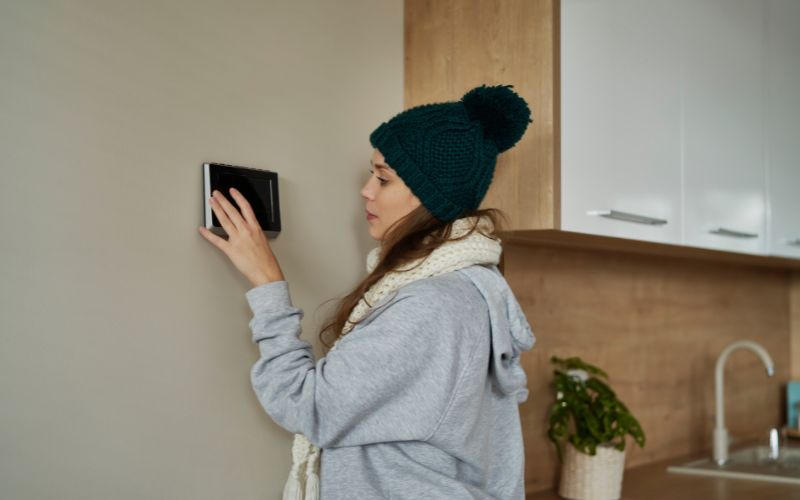
Smart thermostats can make heating easier to manage. You can set schedules, change the temperature from your phone and heat your home only when you need it. For example, if you are out all day, you can lower the temperature and warm the house just before you get home.
Air Hive UK installs smart heating controls in London, including popular options such as Hive, Nest, Tado and Honeywell Evohome. The best choice depends on your boiler, heating system and how you use your home.
Setting the Temperature With Air Conditioning
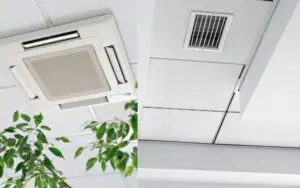
Many modern split-system air conditioners can heat as well as cool. In a London home, the same system can cool the room in summer and provide heat in winter, which makes it useful all year round.
The same rule applies: choose a comfortable temperature, and do not keep raising it. If your air conditioning is not heating the room properly, check simple things first, such as the mode setting, the remote batteries and whether the filters are clean. If the problem continues, ask a qualified engineer to inspect it.
What About Heat Pumps?
Heat pumps work differently from a traditional boiler. They usually run for longer at a steadier temperature, so frequent large changes to the thermostat are not always helpful. Follow the manufacturer’s instructions and ask your installer how to set the controls. A professional can also check that the system is the right size for your property.
Why Maintenance Matters in Winter
The best thermostat setting will not help if your heating or air conditioning cannot do its job. Regular servicing helps spot problems early, before they become more disruptive.
A service for an air conditioning system typically includes cleaning the filters, checking drainage and electrical connections, testing the thermostat and controls, and checking performance. If you use an air conditioning unit for heating, it is a good idea to have it checked before the coldest weather arrives. Air Hive UK offers air conditioning maintenance in London for homes and businesses.
Common Thermostat Mistakes
- Setting it too high: Raising the temperature from 19°C to 24°C does not heat the room faster, and it can waste energy.
- Putting the thermostat near a heat source: A thermostat needs to read the typical temperature of the room. Keep it away from radiators, direct sunlight and anything that blocks it.
- Ignoring a heating fault: If your home is cold even though the thermostat seems right, look for the cause instead of adjusting the setting again and again.
- Skipping maintenance: Dirty filters, blocked radiators or worn controls can all reduce performance.
A Simple Thermostat Plan for Winter
- Start at 18°C.
- Give the home time to warm up.
- If you still feel cold, increase it by one degree at a time, up to 19°C or 20°C.
- Use schedules, so the heating runs only when you need it.
- Do not assume every room needs the same temperature.
- If your system cannot keep the home comfortable, book a professional check.
Older houses, converted flats and rooms with poor insulation can all respond differently, so treat these figures as a starting point.
Frequently Asked Questions
What should my thermostat be set to in winter in the UK?
A setting of 18°C to 21°C suits most homes. Start at the lowest temperature that feels comfortable and adjust for the people in the home.
Is 18°C too cold in winter?
For many healthy adults, 18°C is a reasonable temperature. Older people, young children and people with certain health conditions may need a warmer home.
Does a higher thermostat setting heat the room faster?
No. With most standard thermostats, a higher setting does not warm the room faster. It only makes the heating run for longer.
What temperature should I set at night?
It depends on who lives in the home. Many healthy adults are comfortable with a lower setting, while older people and those with health conditions may need around 18°C in the bedroom.
Can air conditioning heat my home in winter?
Many modern air conditioners can heat as well as cool. Whether this suits your home depends on the system and the property.
Why is my house cold when the thermostat is set to 21°C?
The setting does not guarantee that every room reaches that temperature. Insulation, draughts, system size, thermostat position, controls or a heating fault could be the cause. A professional check can help find the problem.
Final Thoughts
The best winter thermostat temperature in the UK is usually between 18°C and 21°C, but your own comfort and health needs matter most. Start low, adjust slowly and do not assume a higher setting will heat your home faster.
If your home stays cold even at a sensible setting, the cause is more likely to be insulation, controls or the heating system than the thermostat itself. If you are a homeowner, landlord or business in London looking to improve your heating or cooling, contact Air Hive UK for friendly advice.