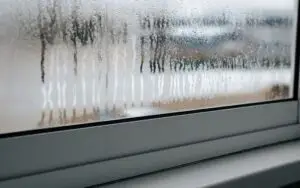
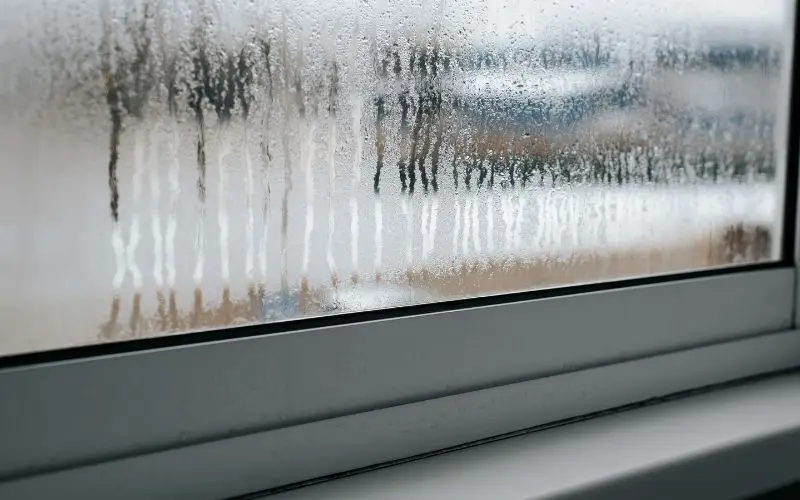
Waking up to water drops on your bedroom windows is very common, especially in the colder months. It happens when warm, moist indoor air meets cold glass and turns back into water. A little condensation now and then is normal. But if your windows are wet most mornings, water runs onto the frames or mould starts to appear, it is worth finding the cause.
This guide explains why condensation forms overnight, how to reduce it and when it is time to get professional advice. It is written with London homes in mind, where older properties, converted flats and very airtight new builds can all have different ventilation problems.
Overnight window condensation is caused by moisture in the air meeting cold glass. To reduce it, keep trickle vents open, use extractor fans, dry laundry away from your bedroom, keep rooms at a steady temperature and wipe moisture off the glass every morning. If it keeps coming back, or mould appears, the real problem is probably ventilation or moisture, and it is worth having it checked.
Why Does Condensation Form on Windows at Night?
Every home produces moisture. Cooking, showering, drying clothes and even breathing all release water vapour into the air.
At night, you breathe out moisture in a closed bedroom for hours. At the same time, the temperature outside drops, and the window glass becomes the coldest surface in the room. When warm, humid air touches cold glass, it cools down, can no longer hold as much water and the extra moisture turns into droplets. This is condensation.
Government guidance describes condensation as a common cause of damp and mould, and says the answer is usually to deal with moisture, ventilation, heating and energy efficiency.
Why Are Bedroom Windows Worse?
Bedrooms are often the worst for condensation, because:
- People spend several hours in a closed room.
- Breathing releases moisture into the air.
- Curtains and blinds trap cold air against the glass.
- Windows are colder than the surrounding walls.
- Trickle vents are often closed.
- The room can cool down overnight.
A little condensation is not a sign of a serious damp problem. What matters is whether it is occasional or persistent.
Is the Condensation Inside, Outside or Between the Panes?
Where the water appears tells you what is going on:
- On the inside of the glass: This is the common problem caused by indoor moisture, and the rest of this guide deals with it.
- On the outside of the glass: This is normal on cold, clear mornings, especially with modern, energy-efficient glazing. It does not mean there is a fault.
- Between the panes of a double-glazed unit: This usually means the seal has failed. The unit needs repairing or replacing, and ventilation will not fix it.
How to Prevent Overnight Window Condensation
1. Improve Ventilation
Ventilation takes moist air out and brings fresh air in.
- Keep trickle vents open and unblocked.
- Use your kitchen and bathroom extractor fans while you cook and shower, and leave them running for a while afterwards.
- Close the bathroom or kitchen door so moisture does not spread to the rest of the home.
- Open windows briefly each day, even in winter, to let out stale, damp air.
Ventilation rules for homes in England are set out in Approved Document F of the Building Regulations. If your fans are weak or noisy, or your home has no proper ventilation, it is worth getting advice.
2. Reduce Moisture at the Source
- Avoid drying laundry on radiators or in the bedroom. If you must dry it indoors, do it in a room with a window open or in one with a dehumidifier.
- Put lids on pans when you cook.
- Wipe down the shower and bathroom surfaces after use.
- Do not leave wet towels in the bedroom.
3. Keep Rooms at a Steady Temperature
Cold glass is the main trigger, so very cold rooms make condensation worse. You do not need to overheat your home. Instead, avoid letting rooms get very cold, and use a steady, moderate temperature with your heating controls. A temperature of around 18°C to 21°C suits many homes, but needs vary.
4. Let Air Circulate Around the Windows
Heavy curtains, blinds and furniture can stop warm air from reaching the glass, so moisture collects behind them. Where you can, leave a gap around the window, and open curtains and blinds during the day. Do not block vents or put storage in front of them.
5. Wipe Away Moisture Each Morning
Wipe condensation off the glass, frames and sills with a cloth or a window squeegee, and then squeeze the cloth out in the sink. Do not leave water sitting on timber frames, seals and sills, because it can cause rot and mould over time.
Wiping helps, but it is only a short-term fix. If the same windows are wet every morning, look at the moisture and ventilation in the room.
6. Consider a Dehumidifier
A dehumidifier can help in homes where moisture is a regular problem, especially when you have to dry laundry indoors. A humidity monitor (a hygrometer) is a cheap way to see what is going on, and many people aim for indoor humidity of around 40% to 60%.
Can Air Conditioning Help With Condensation?
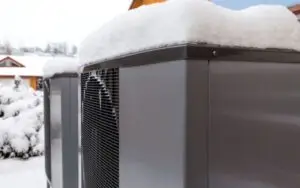
Air conditioning can remove some moisture from the air while it cools, and many systems have a dehumidify mode. This can help in some homes, but it is not a replacement for proper ventilation. Ventilation removes stale, moist air and brings in fresh air, which air conditioning on its own does not do.
If your windows still run with water, the useful question is not “Do I need air conditioning?” It is “What is causing the moisture, and does the home need better ventilation, heating, cooling or a mix of these?”
Could Your Ventilation Be the Problem?
If condensation appears most mornings, your ventilation may need attention. Look out for other signs:
- A musty smell
- Mould on window frames or outside walls
- Bathrooms that stay damp long after use
- Condensation on several windows
- Stuffy rooms
- Damp behind furniture
- Extractor fans that are weak or not working
Air Hive UK installs ventilation systems in London for homes and commercial buildings, including mechanical, heat recovery and extract ventilation. These systems help remove moisture and improve air quality, especially in airtight properties where natural airflow is limited.
Condensation in London Homes
- Older properties: Victorian and Edwardian houses often have solid walls and single glazing, so glass and wall surfaces are cold.
- Converted flats: Rooms may have little ventilation, and there may be no outdoor space for drying clothes.
- Modern, airtight flats: These homes keep heat in, but they can also trap moisture if the ventilation system is not working properly.
- Overcrowded homes: More people in a room means more moisture.
If your home is in one of these categories, a ventilation check is often more helpful than a new heating system.
Keeping a Steady Temperature
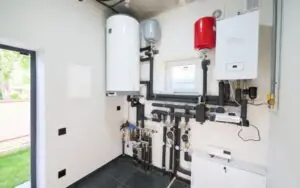
Because cold surfaces cause condensation, steady, controlled heating helps. Programmers, room thermostats and thermostatic radiator valves let you heat the rooms you use at the times you need. Air Hive UK can help with heating systems and controls in London, including radiators and smart thermostats.
When Should You Get Professional Help?
Occasional condensation is usually easy to manage. But get advice if:
- Windows are very wet most mornings.
- Condensation appears in several rooms.
- Mould keeps coming back after cleaning.
- Extractor fans are not working properly.
- Rooms feel stuffy or damp even after ventilating.
- You are renovating or planning new heating, cooling or ventilation.
It is also important to tell condensation apart from other types of damp. Water coming through a roof, wall or from a leaking pipe needs a different fix. If you rent, report persistent damp or mould to your landlord in writing.
What to Avoid
- Closing every vent and window: It might feel warmer, but it traps moisture. Keep trickle vents open and unblocked.
- Only wiping the glass: Wiping does not reduce the humidity in the air.
- Assuming air conditioning will solve everything: It can help with temperature and some humidity, but it is not a full ventilation plan.
- Ignoring recurring mould: Mould on window frames is a sign of moisture or ventilation problems, so look for the cause as well as cleaning it off.
- Choosing a system without a survey: Room size, layout, insulation, airflow and the position of any outdoor unit all affect what will work.
Getting Advice From Air Hive UK
Air Hive UK is based in Hounslow and works across West London and Greater London. We offer air conditioning, ventilation and heating services for homes and businesses. If your problem is condensation, ventilation is usually the first thing to look at, and if you also need heating or cooling, we can look at the whole picture. Contact us for friendly advice.
Frequently Asked Questions
How does window condensation form at night?
Warm, moist air inside the home touches cold window glass, cools down and releases water. It is common in bedrooms because people breathe out moisture while they sleep.
How can I stop condensation on bedroom windows?
Improve ventilation, keep trickle vents open, reduce indoor moisture, avoid letting the room get very cold and let air circulate around the window.
Can air conditioning stop condensation on windows?
It can reduce humidity a little while cooling, but it does not replace ventilation. Other measures are usually needed.
Does condensation mean I have a damp problem?
Not always. Occasional condensation is common. Damp can also come from leaks, penetrating damp or other causes, so persistent or spreading damp needs checking.
Should I leave trickle vents open in winter?
Yes, in most cases. Trickle vents give background ventilation, and closing them can trap moisture. Check your building’s ventilation guidance if you are unsure.
Will better ventilation stop condensation?
It helps a lot, because moisture is removed before it reaches the cold surfaces. The best solution depends on your property and any existing extraction.
Is condensation on the outside of my windows a problem?
Usually not. It is common on cold, clear mornings, especially with efficient glazing.
Final Thoughts
Overnight window condensation is caused by moisture in the air and cold glass, and it is made worse by poor ventilation, cooler rooms and moisture-producing activities. The simplest steps are to reduce moisture, ventilate regularly, keep rooms at a steady temperature and let air circulate around the windows.
If condensation keeps returning, especially with mould or damp, look at the building, not just the windows. Better ventilation or a better heating and cooling set-up could be the long-term solution, and Air Hive UK can help you work out the right one for your London home.