
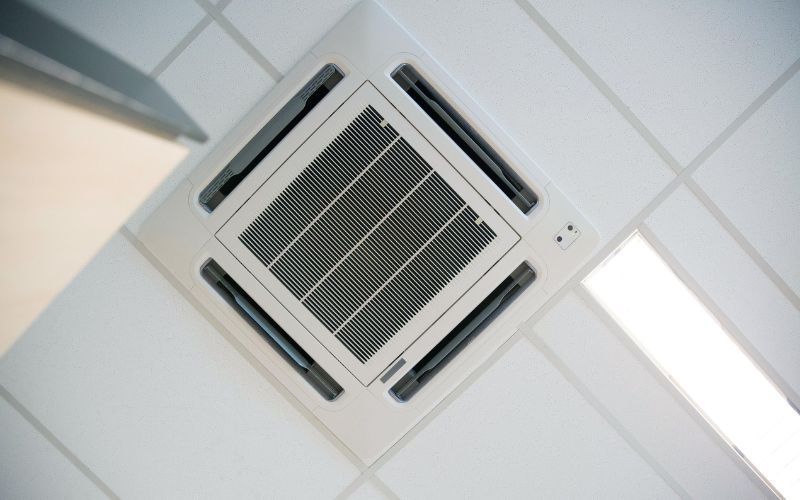
Operating a retail outlet or a hospitality business in London requires handling high customer volumes, long working hours, and the city’s diverse climate. It could be a crowded cafe, a boutique shop, a restaurant, or any other place, but the ambiance inside must be comfortable. Air conditioning is important in offering that comfort. When properly installed, it improves customer service, staff performance, and overall operational efficiency.
The needs of a retail and hospitality space are not the same as those of residential buildings. They tend to be larger, have more traffic, and include heat-producing appliances such as ovens or display lights, making them a good compromise between comfort and affordability. In London, due to the weather’s variability between warm summers and cold winters, effective air conditioning is essential for customer satisfaction and business success.
Understanding the Unique Needs of Retail and Hospitality
Hospitality businesses and retail outlets face unique climate-control challenges. Stores should maintain steady temperatures to ensure customer comfort, preserve inventory, and control energy costs. The environment affects the dining experience, guest comfort, and staff performance in the hospitality sector, including hotels, restaurants, and bars.
Retail areas experience fluctuations in customer traffic; thus, the temperature may shift rapidly during busy periods. Hospitality locations usually include dining areas, sitting areas, kitchens, lounges, and guest rooms that require specific heating or cooling systems. This is why it is important to select an air conditioning system that is flexible, efficient, and able to adjust to various load demands.
Types of Air Conditioning Systems Suitable for Businesses
There are various options available in selecting an air conditioning solution for retail or hospitality spaces:
Splits Air Conditioning Systems.
Split systems can be used in medium and small-sized shops or single rooms within hospitality companies. These are an inside unit and a compressor outside. They are relatively simple to install, cost-effective, and provide dependable heating and cooling.
Split systems can be used in cafes or boutique stores with limited space without compromising the interior design. They are also effective and rather quiet, and so they can be used in places where noise must be minimal.
Multi-Split Systems
Multi-split systems are most suitable for businesses with multiple rooms or areas that require separate climate control. These systems have multiple indoor units linked to a single outdoor compressor, allowing various spaces to be operated at different temperatures.
This arrangement is ideal for hotels and restaurants with separate dining and kitchen areas, or for stores with divided floors. Controlling each zone can increase comfort and save energy.
VRF and VRV Systems
Variable Refrigerant Volume (VRV) or Variable Refrigerant Flow (VRF) systems are complex and are required for larger business premises. These systems consist of multiple indoor units that link to a single outdoor unit. Their main benefit is that they can adjust the amount of refrigerant sent to any indoor unit based on demand.
Portable and Temporary Systems
Certain companies need temporary cooling systems, such as during full-season events or while undergoing renovations. Temporary cooling units and portable air conditioners offer flexibility without installation. Although they are not as efficient as fixed systems, they can be applied to short-term requirements.
Benefits of Air Conditioning for Retail and Hospitality
The benefits of installing air conditioning in retail stores, hotels and similar establishments are both functional and consumer-oriented:
Improved Customer Comfort
Customers will spend more time in stores, increasing their chances of making a purchase due to comfortable temperatures. In the hospitality setting, consumers tend to revisit the place if it is nice. During the summer months in London, the building’s cooling system helps reduce heat-related discomfort and maintain a comfortable indoor temperature.
Improved Workforce Effectiveness.
Temperature directly influences staff performance. Employees who work in hot, stuffy workplaces may become fatigued and less productive. A cooling system will ensure a conducive workspace, minimizing heat stress and enabling employees to be productive throughout the day.
Protection of Products and Interiors
Extreme heat or humidity can ruin many retail goods, particularly clothing, electronics, and cosmetics. Air conditioning is used to stabilize the situation, preventing damage to stock and the risk of heat damage. Temperature control in hospitality will save furniture, decor, and delicate equipment.
Better Air Quality
Modern air conditioning systems have filters that enhance indoor air quality by removing dust, pollen, and other pollutants. This is particularly relevant in congested cities such as London, where outdoor air quality may be poor. Better air quality will provide customers and staff with greater comfort and better health.
Energy Saving and Cost Economy
However, the energy used by the air conditioning is not wasted; the latest systems are efficient. Smart controls and zoned systems ensure that cooling is available only where needed and not wasted.
Key Considerations for Choosing the Right System
The system selection process should be planned and guided by a professional. The following are the factors that should be taken into consideration by businesses:
Size of the Space
Bigger rooms require more capacity systems. Small units will not provide comfort and will require more frequent replenishment. Correct capacity can be calculated through a professional assessment based on floor area, ceiling height, and usage patterns.
Installation and Maintenance Support
Professional installation is also performed to ensure the system works properly and is durable. Periodic cleaning of filters and checking refrigerant levels also helps ensure performance is maintained at its best and prevents breakdowns.
London-Specific Challenges
There are some unique challenges of operating in London:
Urban Heat Islands
The dense, crowded streets and buildings in London trap heat, leading to higher temperatures there than in the countryside. Air conditioning is essential to prevent heat buildup, particularly in crowded places.
Space Limitations
Several retail and hotel establishments in London are located in old buildings or smaller units. The systems should be space-efficient and flexible so they can fit into the existing architecture without significant alteration.
Planning and Regulations
In London, there are other places that are highly regulated on external units, especially in conservation areas. This is achieved by planning the placement and design in advance to prevent postponement.
Seasonal Demand
London has a warm and humid summer and cold winters. Companies benefit from systems that provide heating and cooling to keep the space comfortable year-round.
Choosing Professional Support
The process of selecting, sizing and installing an appropriate air conditioning system needs expertise. HVAC (Heating, Ventilation, and Air Conditioning) experts measure your space, recommend the appropriate solution, install it, and provide maintenance support.
Collaborate with seasoned engineers who know commercial requirements and local needs in London. An HVAC partner will guarantee the system’s effectiveness, providing peace of mind and satisfaction.
Frequently Asked Questions
Which is the best air conditioning to use in a retail shop in London?
Multi-split or VRF systems can be the most appropriate, as they can control many zones and large spaces.
Will air conditioning improve the customer experience?
Yes, moderate temperature will help customers spend more time in the store and create a better impression.
Are today’s air conditioners energy-efficient?
Yes, most modern systems are designed to save energy and can reduce operating costs when used properly.
Is there a difference between the hospitality business and the retail shops?
Yes, hotel facilities usually require zoning and cooling, as well as heating systems, due to the types of rooms.
At what frequency are air conditioning systems supposed to be serviced?
At least once a year, commercial systems should be serviced to ensure proper operation and avoid costly downtime.