
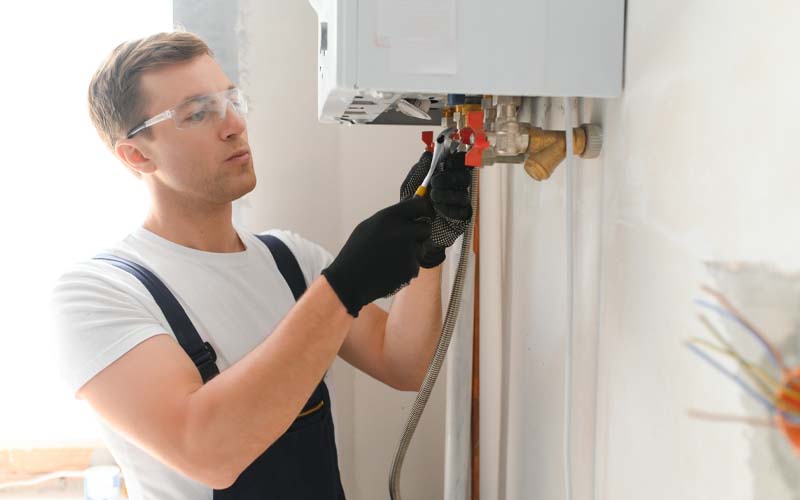
Investing in a full boiler installation in London is a huge decision to make. You need to take time to understand and learn the value of the financial investment that comes with the buying and installing of new boilers. They also need to consider the intricate steps and requirements involved in the installation of the new boilers.
An expertly installed boiler ensures your house remains warm, your heating system works seamlessly, and your family is safe. With so many different aspects to consider, you need to make sure you understand every part of this process. This guide aims to provide you with a step-by-step process of how to have your boiler installed, what you need to keep in mind before purchasing a boiler, and what you should not do to ensure your heating system is safe and functional.
Complete Guide to Full Boiler Installation
Installation of a new boiler is more than just putting a new box on the wall; there is a rigorous process involved to ensure both safety and the efficiency of the unit.
Step 1: Preliminary Assessment of the Home
Prior to fitting a new boiler, there must be a visit to the property by a qualified and certified engineer. They will inspect the current situation and gather some measurements of the property. This ensures the boiler that will be fitted will be of the correct size and type for the property.
Step 2: Select the Appropriate Boiler
The type of boiler has significant importance. For example, combi boilers are best suited to smaller homes, whereas system boilers are more appropriate for larger properties, and regular boilers are fit for more traditional requirements.
Step 3: Removal of Old Boiler
If you are replacing a boiler, there will be the need to remove the older one. Before removing the old boiler, gas, water, and electricity must be turned off. Then the water must be drained to avoid leaks. After that the old boiler is taken out and disposed of.
Step 4: Preparation of Installation Site
The site where the new boiler is being fitted needs to be prepared, and the surroundings have to be ready. Installers must consider wall or floor supports, adequate ventilation, and installation of the new pipework or flues. A prepared site aids in a safer and more durable installation process.
Step 5: Installation of New Boiler
The new boiler is mounted securely. Water, gas, and electricity connections are made, adhering to the safety standards. A new thermostat, timer, or smart control will be added if required.
Step 6: Filling, Testing, and Commissioning
The heating system is filled with water, the radiators are bled, and the system is pressurised. All connections are checked for any leakages. Lastly, the engineer tests the boiler, explains how to use it, and gives maintenance guidance.
What Factors to Consider before Full Boiler Installation in London
When thinking about a boiler, careful planning is required. Thinking ahead saves time, money, and stress.
Types of Boiler and Size
The kind of boiler you will get is determined by your building size and your usage of hot water.
Cost and Budget
The price of a boiler is not the only consideration to make. You will have to pay for the installation, the flues, the pipes, and sometimes, the controls. If you are careful about planning your budget, you will have fewer surprises.
Smart Capabilities
New boilers can have smart thermostats and smart apps linked to them. This allows you to control them remotely.
Safety and Legal Requirements
All boiler installations must follow safety guidelines. A gas safety registered engineer is required in London. Proper flue and ventilation are a must.
Common Mistakes to Avoid in Full Boiler Installation in London
If you don’t know basic guidelines and pitfalls, even a professional installation can have issues.
Follow Basic Guidelines
Make sure to prep the site, get a certified engineer, and follow the manufacturer’s instructions. All the filling, testing, and commissioning have to also be done correctly.
Avoid DIY Installation
In the UK, trying to install a boiler yourself is illegal. The gas and electrical connections are dangerous, so you are not allowed to do it if you are not certified.
Don’t Choose the Wrong Size Boiler
If you have a boiler that is too big or too small, it wastes energy and will not work correctly. The right-size boiler is necessary for comfort and efficiency.
Never Ignore Safety Requirements
Make sure you have proper flue installation, ventilation, and carbon monoxide detectors. Any mistake can end up being very dangerous.
Keep Up with Maintenance
You have to get regular service for it if you want your boiler to be safe and work normally. If you do not, it will break and can also end up costing you a lot of money in repairs.
Why You Should Get a Professional to Do Full Boiler Installation
It takes a lot to properly install a boiler and involves much more than just hooking up a unit, and dealing with gas, water, and even electric lines could become very dangerous.
Professional engineers are trained to know how to implement the full boiler installation process safely, efficiently, and in accordance with the laws and standards of the UK.
They will also assess your needs and make sure you have the properly sized boiler, install the flue and any vents, and set everything up so that your system is operational at the optimal level.
If you do a DIY installation, you could face the problems of leaks, poor heating, increased energy costs, or even the carbon monoxide threat.
Why Install Your Boiler in London with Air Hive UK?
Book Air Hive UK to cater to all your boiler installation and maintenance needs. Certified engineers make sure your boiler is installed in a professional manner and is 100% compliant with the UK’s regulatory and safety standards.
Frequently asked questions
How long does it take to install a boiler?
It usually can take between one and two days to install a boiler.
Can I install my own boiler?
No, it is dangerous and illegal for a person to do that in the UK.
How much does a boiler installation cost in London?
The average price for a boiler installation in London is between £2,000 and £3,500.
How often does my boiler need to be serviced?
It is recommended that a boiler be serviced once a year.
Can I have smart controls with my new boiler?
Yes, integration of smart controls can save energy.