Owning rental properties means taking care of many things. One of the most important things to look after is the air conditioning (AC) system. Tenants need AC to stay cool, especially in hot weather. If the AC stops working or doesn’t work well, it can make tenants unhappy and cause extra repair costs for you.
Taking care of AC units in rental properties is important for keeping tenants comfortable and saving money. In this article, we will share simple steps to help keep your AC units running smoothly, lasting longer, and keeping your tenants happy.
1. Clean and Replace Filters Regularly
Cleaning and changing the AC filters is one of the easiest and most important jobs. AC filters catch dust, dirt, and debris to keep the air clean. Over time, filters can get blocked, which makes the AC less effective. Dirty filters can cause the AC to work harder, raising energy bills and possibly damaging the system.
How often should filters be replaced?
Filters should be replaced every 1 to 3 months. If your tenants have allergies or if the area is dusty, you might need to change the filters more often.
Why it matters:
Changing and cleaning the filters helps the AC work better and saves energy. It also keeps the air clean, which is something tenants will appreciate.
2. Schedule Regular Inspections by a Professional
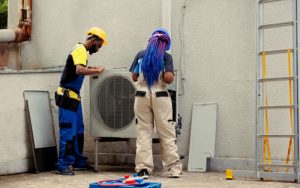
Even if the AC seems to be working well, it’s a good idea to have it checked by a professional at least once a year. A technician can find problems you might not notice, like leaks or dirty coils. Regular inspections can help find small issues before they turn into big and expensive problems.
Why it matters:
Regular inspections help the AC last longer and work better. They also prevent costly repairs. In rental properties, this is important because tenants expect the AC to work properly all the time.
3. Keep the Area Around the AC Unit Clean
Make sure the area around the AC unit—both inside and outside—is clean. For window units, keep the area around the unit free of dust and dirt. For central AC units, make sure the outdoor unit is not blocked by bushes, leaves, or other things.
How to do it:
Trim plants or bushes near the AC unit.
Clean the area around the unit to remove dirt and leaves.
Make sure vents inside the property are not blocked by furniture or other items.
Why it matters:
When the outdoor unit is blocked, it can’t release heat properly, which makes the AC work harder. A clean area around the unit helps it run better and prevents problems.
4. Clean the Coils
AC units have two important coils: the evaporator coil (inside) and the condenser coil (outside). Over time, these coils can get dirty, making it harder for the AC to cool the property. Cleaning the coils helps keep the AC running well.
How often should coils be cleaned?
It’s a good idea to clean the coils once a year, usually during the professional inspection.
Why it matters:
Dirty coils make the AC less efficient and can cause the system to fail. Cleaning the coils ensures the AC works properly and cools the property.
5. Check the Refrigerant Levels
If the refrigerant is low, the AC won’t cool properly. Over time, the refrigerant can leak out. It’s important to check the refrigerant levels during regular maintenance.
How to handle it:
If the AC is blowing warm air, the refrigerant might be low. A technician can check and refill the refrigerant if needed.
Why it matters:
Having the right amount of refrigerant ensures the AC works properly and cools the property. Low refrigerant can damage the system and lead to expensive repairs.
6. Clean and Seal the Ducts
Ductwork helps move cool air throughout the property. Over time, the ducts can get dirty, and leaks can form. This causes the cool air to escape, making the AC work harder. Cleaning and sealing the ducts is an important part of AC maintenance.
How to do it:
Have a technician inspect the ducts for leaks.
Seal any leaks that are found.
Clean the ducts to remove dust and dirt.
Why it matters:
Dirty or leaking ducts waste energy and make it harder for the AC to cool the property. Keeping ducts clean and sealed makes the AC run better and more efficiently.
7. Make Sure the Property is Well-Insulated
Proper insulation helps keep cool air inside and prevents warm air from entering. If the property is well-insulated, the AC doesn’t have to work as hard to cool the property.
What to do:
Check windows and doors for cracks or gaps and seal them.
Add extra insulation in the attic or walls if needed.
Make sure the property is sealed properly to prevent cooling loss.
Why it matters:
Good insulation helps keep the property cool and reduces the workload on the AC unit. This helps save energy and keeps tenants comfortable.
8. Educate Tenants on Proper AC Usage
Tenants should know how to use the AC properly to avoid damage. Simple instructions on how to set the thermostat, avoid overuse, and keep vents clear can help the AC last longer.
What to include in tenant instructions:
Set the thermostat to a comfortable but energy-efficient temperature (around 78°F or 25°C).
Keep windows and doors closed when the AC is on.
Make sure vents are not blocked by furniture.
Why it matters:
Proper usage of the AC system helps prevent breakdowns. It also reduces energy use and keeps utility bills lower.
Conclusion
Maintaining air conditioning units in rental properties is important for keeping tenants comfortable and satisfied. Regular cleaning, professional inspections, and simple steps like keeping the area around the unit clean and ensuring proper insulation can all make a big difference. By following these best practices, you can extend the lifespan of your AC units, reduce maintenance costs, and keep your tenants happy all year long.
Remember, happy tenants are more likely to stay longer, pay their rent on time, and take better care of your property. Keeping the AC in top condition is one way to make sure your rental properties remain in high demand.
Frequently Asked Questions
1. How often should I clean or replace the AC filters in a rental property?
Filters should be cleaned or replaced every 1 to 3 months. If the area is dusty or if your tenants have allergies, you may need to replace them more often.
2. Why is regular professional inspection of the AC system important?
A professional inspection helps identify small issues, like refrigerant leaks or dirty coils, before they become big problems. Regular maintenance keeps the AC running smoothly and saves you money on repairs.
3. How do I know if my AC coils need cleaning?
If the AC is not cooling properly or takes longer than usual to cool the space, it may be time to clean the coils. A technician can clean them during a professional inspection.
4. How can I prevent my AC unit from breaking down?
Clean the filters regularly, have professional inspections once a year, clean the coils and ducts, and keep the area around the unit clean. Educating tenants on proper usage also helps prevent wear and tear.
5. How often should the refrigerant levels be checked?
Refrigerant levels should be checked during the annual professional inspection. If the AC is blowing warm air, it might mean the refrigerant is low and needs to be refilled.