
Running a restaurant in London comes with unique challenges, especially when it comes to maintaining a comfortable indoor environment. Heat from cooking equipment and varying occupancy levels all place high pressure on air conditioning systems. Selecting the right commercial air conditioning system is essential not only for customer comfort but also for long-term cost control. This guide helps you choose the best air conditioning system for your restaurant.
Understanding Restaurant Cooling Requirements
Unlike regular commercial spaces, restaurants have different cooling needs that change from one area to another.
Kitchen vs. Dining Area
In kitchens, the ovens, grills, and cooking equipment generate intense heat. That is why these areas require strong cooling and an effective ventilation system. On the other hand, dining areas need consistent and comfortable temperatures to ensure a pleasant experience for customers.
Peak and Off-Peak Times
Due to the fluctuating demand of restaurants, cooling systems must handle higher loads during the peak hours, while during the quieter hours, energy usage should be reduced. An optimally designed system should be able to respond to these various demands efficiently.
Types of Air Conditioning Systems for Restaurants
VRF (Variable Refrigerant Flow) Systems
VRF systems are highly flexible and ideal for restaurants with multiple zones. They can cool multiple zones like kitchens, dining rooms, and storage rooms independently. This results in increased comfort and energy savings. VRF systems operate quietly, which makes them a good choice for customer-facing areas.
Split and Multi-Split Systems
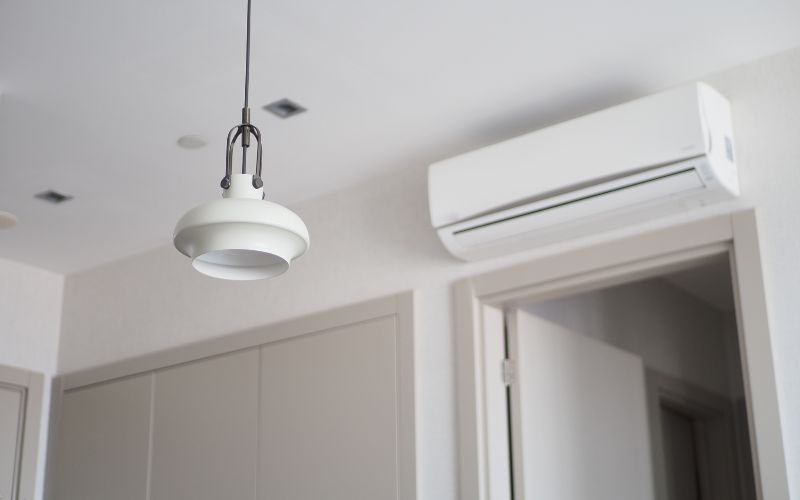
In small to medium-sized restaurants, split systems are often used. They are simple to install and offer reliable cooling for individual areas. With multi-split systems, several indoor units can connect to one outdoor unit, offering more flexibility. These systems are a practical solution where space is limited or where a full central system is not required.
Ducted Air Conditioning Systems
Ducted systems offer a more discreet option, as they distribute air through concealed ductwork throughout the restaurant. While they offer even cooling throughout the restaurant, they require adequate installation space, as well as thorough planning.
Chiller Systems
Chiller systems are used in large restaurants or multi-level venues. They offer centralised cooling, which makes them appropriate for high-demand environments. However, they need more room and infrastructure, which is why they are more common in large-scale commercial properties.
Key Factors to Consider When Choosing a System
Choosing a system requires considering a lot of aspects apart from cooling capacity.
Energy Efficiency
Energy-efficient systems would save money on the energy bills, especially in restaurants where AC systems run for long hours. Modern systems with inverter technology and smart controls significantly improve efficiency.
Zoning and Control
Zoning systems provide more control with the ability to set different temperatures at different locations. It is desired not only to maintain a comfortable space but also to conserve energy.
Noise Levels
Quiet operation is important in dining areas. Systems should operate with minimal noise to maintain a peaceful environment.
Installation Space
Availability of space is crucial while selecting a system. Not all buildings provide the ideal settings to install things like outside units, ductwork, or plant rooms.
Maintenance Requirements
Regular maintenance is essential for all systems, but some systems require more frequent maintenance depending on usage and environment.
Having a system that is easy to maintain can help reduce long-term costs.
Common Mistakes to Avoid
A wrong air conditioning system can lead to increased costs while providing poor performance.
Here are a few common mistakes:
- Installing a system that is either too small or too large
- Not considering zoning requirements
- overlooking the ventilation needs in the kitchen
- Focusing only on upfront cost instead of long-term efficiency.
Proper planning and professional advice can help avoid these mistakes.
AirHive UK – Helping Restaurants Choose the Best AC System
AirHive UK supports restaurants all over London in selecting the air conditioning systems based on layout, usage, and operational needs. With experience across VRF systems, chillers, ducted, and split systems, detailed site assessments help identify the most efficient and practical solution for each restaurant.
Step-by-Step: Choosing the Right AC System with AirHive UK
The first step towards making an informed choice about an AC system is getting a professional assessment.
Step 1: Examine the layout of the restaurant and the cooling requirements.
Step 2: Assess current or planned system options
Step 3: Get recommendations based on efficiency, space, and usage.
Step 4: Schedule the installation with minimal disruption to the restaurant operations.
Final Thoughts
Selecting the right commercial air conditioning system for a restaurant is important for comfort, energy cost management, and uninterrupted operational workflow. With a clear understanding of system type, zoning, efficiency, and installation requirements, restaurant owners make decisions that support long-term customer experience and long-term business performance.
Frequently Asked Questions
What is the best AC system for a restaurant?
For medium to large restaurants, the flexibility of a VRF system makes it a good choice, while smaller restaurants are best served by a split system.
Do restaurant kitchens need separate cooling systems?
Yes, kitchens often require stronger cooling and ventilation due to heat from cooking equipment.
Are ducted systems suitable for restaurants?
Yes, they can be used in restaurants if a tidy look and even airflow are priorities.
How important is zoning in restaurant AC systems?
Zoning is a key factor in AC systems for restaurants because it improves comfort and reduces energy consumption.
Can upgrading the AC system reduce energy bills?
Yes, upgrading to a newer system can significantly reduce energy consumption in comparison to older systems.