Running a restaurant means managing many operational costs. Energy consumption is often one of the largest expenses. In a restaurant, air conditioning systems must work continuously to provide a comfortable environment despite the heat from the cooking equipment, lights, and customer occupancy. Without proper system management restaurants can experience a surge in electricity bills and inefficient cooling performance. In London, AirHive UK has partnered with multiple restaurants to improve the efficiency of air conditioning systems through smarter system management, regular servicing and performance optimisation.
Restaurant owners can reduce energy consumption, lower operating costs and maintain a comfortable dining environment for both customers and staff.
Step 1: Optimise Temperature Setting
Setting the right temperature is one of the easiest ways to reduce energy bills. Many restaurants make the mistake of keeping the temperature lower than necessary, which causes the air conditioning system to work harder. Keeping the AC temperature in the dining area between 22 and 24 degrees Celsius usually provides customers with a comfortable environment. Moreover, use of thermostats or smart controls can help in managing temperatures automatically during quieter hours of the day.
Step 2: Maintain Regular Servicing
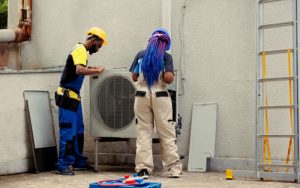
Regular maintenance is necessary for keeping a commercial AC system efficient. Over time dirty filters, blocked coils or low refrigerant levels can make the system work harder while providing a less effective cooling environment. Routine servicing helps the operating system run smoothly without interruptions. Small issues can be identified early through regular health checks before they get severe and cause system failure.
Step 3: Use Zoning for Different Restaurant Areas
Different parts of eateries require different levels of cooling. Dining areas, kitchens, storage spaces and bar sections all generate different amounts of heat. Zoning helps in keeping each area cool according to the needs of that particular area. For example, kitchens require stronger cooling because of cooking equipment, while dining areas need steady and comfortable temperatures.
Modern systems like VRF systems make this possible by allowing precise control over cooling in different sections of the building.
Step 4: Improve Airflow and Ventilation
Good airflow is inevitable to distribute cool air evenly throughout the restaurant. When airflow is restricted due to blocked vents, poorly designed ducts, or dirty filters, the AC system has to make extra effort to keep the environment cool. Regular inspection helps in identifying these problems with airflow.
In addition to that, proper ventilation removes excess heat and humidity from the restaurant, thus improving the overall air quality.
Step 5: Upgrade to Energy-Efficient AC Systems
Older AC systems often use more electricity. They struggle in meeting modern efficiency standards. In this regard, updating to a modern air conditioning system can reduce the overall energy costs over time. Newer systems include inverter technology, advanced controls, and improved cooling performance. These technology solutions enable them to maintain a comfortable temperature while using less energy.
Step 6: Schedule Cooling Around Business Hours
Restaurants have different cooling demands throughout the day. Adjusting the air conditioning schedule to match business activity hours can help reduce energy use. For example, the system can run at lower capacity during preparation hours, thus saving the energy expenses.
Automated controls make it easier to manage cooling levels without affecting customer comfort.
Step 7: Monitor Energy Usage Regularly
Keeping track of energy usage can help identify problems with an AC system. A sudden increase may indicate some huge problem with the system. Regular monitoring allows restaurant managers to resolve issues in a timely and in most efficient manner
AirHive UK Supporting Energy-Efficient AC for Restaurants
AirHive UK helps restaurants across London improve air conditioning through professional inspections, servicing and system optimisation. The Airhive team has experience working with a wide range of commercial AC systems, such as VRF, chillers and split installations. Practical recommendations are provided to restaurants to improve system efficiency while maintaining reliable cooling performance during busy service hours.
There is no denying the fact that proactive and smart AC maintenance helps restaurants in keeping energy bills under control.
How to Book an AC Inspection for Your Restaurant
Booking an inspection with AirHive UK is simple:
-
Contact the team
provide basic details about your restaurant and cooling system
-
Schedule a site visit
Set a convenient for site visit and system assessment
-
Get a detailed report
AirHive-certified professionals will provide a detailed set of recommendations to improve the performance of the system.
Final thoughts
AC systems are essential for maintaining comfort in restaurants. However, if they are not managed properly, they can cause a significant increase in restaurants’ energy costs. By adopting smart AC management strategies such as proper temperature control and routine maintenance, zoning and energy monitoring, restaurants can improve system efficiency and reduce operating costs.
Frequently Asked Questions
Why do restaurants need air conditioning systems?
Restaurants need efficient cooling systems to provide diners a comfortable dining environment.
What type of AC system is best for restaurants?
VRF, split or ducted air conditioning systems because they provide flexible cooling and allow different areas of the restaurant to be controlled separately.
Can air conditioning improve air quality in restaurants?
Properly maintained AC systems help filter dust, control humidity, and improve airflow, creating a healthy and pleasant environment for staff and customers.
How can restaurants keep kitchens cool during busy hours?
Restaurants often combine efficient ventilation systems and commercial air conditioning to manage the temperature.
When should a restaurant upgrade its air conditioning system?
When energy costs are rising and the system frequently needs repairs, it’s time to upgrade it.