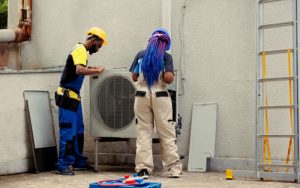

Air conditioning is very important in a warehouse or wholesale facility. Large spaces with many workers and products need proper cooling. AC keeps workers comfortable and protects products from heat or humidity. Poorly maintained AC systems work harder. They use more electricity. Energy bills rise, and parts wear out faster. Regular AC maintenance prevents this. It helps save money, improves comfort, and extends the life of the system. At Airhive UK, we help facilities plan maintenance for maximum efficiency. This article explains how AC maintenance saves energy costs, the signs of poor AC, and tips to keep systems running efficiently.
Why Energy Costs Rise in Poorly Maintained AC Systems
When an AC system is dirty or worn out, it struggles to cool the space. Clogged air filters reduce airflow. The system has to work harder to push air through. This increases electricity use. Dirty coils or blocked ducts also make cooling uneven. Some areas of the warehouse may be too hot or too cold. Workers feel uncomfortable, and products may be at risk. Old or worn-out components, like fans, motors, or compressors, can cause the AC to run longer than necessary. This further raises energy bills.Ignoring small problems leads to bigger issues. A system that works inefficiently wastes money every day. Regular maintenance fixes these issues before they become serious.
How Maintenance Improves Efficiency
Regular AC maintenance ensures the system works as it should. Cleaning or replacing air filters allows air to flow easily. This reduces strain on the system. Clean ducts let cooled air reach all corners of the warehouse. Fans and coils work more effectively when they are clean. Professional servicing checks all components. Technicians inspect refrigerant levels, motors, and sensors. They can identify small problems before they lead to major failures. An efficient system cools the space faster. Less electricity is needed. Workers feel comfortable quickly, and products remain safe. Maintenance directly saves energy costs and prevents unnecessary wear on the system.
Signs Your AC Needs Maintenance
There are many signs that an AC system needs attention. If energy bills rise suddenly, the system may be working harder than necessary.Weak airflow in some areas shows that vents or ducts may be blocked. Some parts of the warehouse may feel too hot or too cold. Unusual noises, vibrations, or leaks indicate worn-out components or failing fans.Bad smells or stale air often mean filters are dirty or ducts have mold buildup. Noticing these signs early allows you to schedule maintenance and prevent energy waste.
Real-Life Examples of Energy Savings
At one wholesale warehouse, the filters had not been cleaned for six months. The AC struggled to cool the space, and workers complained about hot areas. Energy bills were high. After cleaning the filters, servicing the fans, and removing dust from ducts, the system ran efficiently. Energy use dropped, and cooling improved. Workers were comfortable again.In another facility, refrigerant was low, and coils were dirty. After professional servicing, electricity consumption decreased by 15%. Products were safer, and workers reported better comfort. These examples show that regular maintenance has a direct impact on energy costs.
Tasks That Save Energy
Cleaning or replacing air filters every month keeps airflow strong. Inspecting and cleaning ducts and vents ensures air moves freely. Blockages reduce efficiency. Checking fans, motors, and coils prevents unnecessary energy use. Worn-out parts make the system work harder. Monitoring refrigerant levels is important. Low refrigerant forces the system to run longer. Scheduling professional inspections once or twice a year keeps small issues from becoming costly problems. Small tasks, when done consistently, save energy and reduce operating costs.
The Role of Worker Feedback
Workers often notice AC problems first. If certain areas of the warehouse are too hot, cold, or stuffy, it may indicate airflow issues. Listening to employees helps identify problems quickly. Minor fixes in airflow or vents can save energy and improve comfort. Encouraging workers to report discomfort is an easy way to catch issues before energy costs rise.
Long-Term Benefits of AC Maintenance
Regular AC maintenance has many long-term benefits.Energy bills decrease because the system runs efficiently. Less electricity is wasted. The AC system lasts longer. Components wear out slower when maintained properly. Workers feel comfortable and can focus on tasks. Productivity increases when the warehouse environment is pleasant. Products stay safe. Temperature-sensitive items remain in good condition. Maintenance pays for itself by saving energy, preventing breakdowns, and extending system life.
Additional Tips to Save Energy
Do not block vents with boxes or equipment. Blocked vents reduce airflow and cooling. Keep doors and windows closed while the AC is running. Open doors allow cooled air to escape. Use ceiling fans to circulate air more efficiently. Fans reduce hot and cold spots. Avoid setting very low temperatures. Cooling too much wastes energy without improving comfort. Schedule maintenance before peak summer months. The AC system will run efficiently when demand is high, saving energy.
Conclusion
AC maintenance is one of the easiest ways to save energy costs. Dirty filters, blocked ducts, worn-out parts, and low refrigerant make systems work harder. This wastes electricity and raises bills. Regular cleaning, servicing, and minor repairs improve efficiency. Workers stay comfortable, products are protected, and energy costs decrease. At Airhive Uk, we recommend monitoring your AC system, cleaning filters, inspecting ducts, and scheduling professional servicing. Early action saves money, protects products, and keeps your wholesale facility running efficiently.
Frequently Asked Questions
How often should AC maintenance be done?
Filters should be checked monthly, and professional servicing at least once or twice a year.
Can maintenance reduce energy bills?
Yes, proper care improves efficiency and reduces electricity costs.
Which tasks save the most energy?
Cleaning filters, ducts, and fans, checking refrigerant, and repairing worn parts.
Do workers help identify AC issues?
Yes, they notice uncomfortable areas first and provide useful feedback.
Will maintenance extend the life of the AC system?
Yes, it reduces wear and prevents major failures.