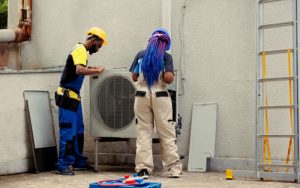

Industrial air conditioning systems are very important for warehouses, factories, and large commercial spaces. They keep workers comfortable, protect products, and maintain a safe environment. Like any machine, an industrial AC system does not last forever. It wears out over time. Knowing how long it will last helps businesses plan maintenance, upgrades, and replacements.
At Airhive Uk, we have helped many industrial spaces with AC systems. We see common problems and solutions. In this article, we will explain industrial AC lifespans in simple words. We will also give practical tips to make systems last longer.
What Is an Industrial AC System?
An industrial AC system is different from a home AC. It is bigger and stronger. It can cool large spaces with many people or products. Industrial systems often have ducts, large fans, and powerful cooling units. They run for many hours every day. This constant use affects their lifespan. These systems do more than cool air. They also control humidity and remove dust. Without them, warehouses can become uncomfortable or unsafe. Industrial AC systems are designed to handle heavy work. But even the best systems need care to last long.
Average Lifespan of Industrial AC Systems
Most industrial AC systems last between 10 and 20 years. Some last longer with good maintenance. Others fail sooner if neglected. How long a system lasts depends on several factors. One factor is usage. AC systems that run 24/7 wear out faster. Systems used only part of the day may last longer. Another factor is quality. Systems from trusted brands last longer than cheap or old models. Maintenance is very important. Cleaning filters, checking ducts, and servicing components regularly can add years to the system. Neglecting maintenance shortens lifespan. Environmental factors also matter. Dusty, humid, or very hot spaces make AC systems work harder. This increases wear and tear.
Signs an Industrial AC System Is Aging
Old AC systems often show warning signs before failing. One sign is uneven cooling. Some areas may be very hot, while others are cold. Energy bills may increase. Older systems use more electricity to achieve the same cooling. Strange noises or frequent breakdowns are warning signs. Water leaks or refrigerant leaks are also common problems. Noticing these signs early helps businesses plan upgrades before sudden failures.
Factors Affecting AC Lifespan
Several factors affect how long an industrial AC system lasts.
Usage: Systems that run continuously wear out faster.
Maintenance: Regular cleaning, filter changes, and inspections extend life.
Installation: Poor installation puts stress on components.
Environment: Dusty, humid, or hot spaces make systems work harder.
Quality: High-quality systems last longer than cheap or old units.
Each factor adds up. A well-maintained, high-quality system in a clean space can last over 20 years.
How to Extend Industrial AC System Lifespans
Proper maintenance is key. Clean or replace air filters regularly. Check ducts for dust or blockages. Inspect fans and coils. Avoid overworking the system. Do not set temperatures too low. Balance cooling with natural ventilation when possible. Keep the environment clean. Dust, dirt, and debris can damage fans and components. Cleaning around the system helps a lot. Professional services are important. Technicians can spot small issues before they become major problems. At Airhive Uk, we recommend at least one professional inspection each year.
Planning for Replacement
Even with good care, industrial AC systems eventually need replacement. Knowing the expected lifespan helps businesses plan. Replacing a system at the right time avoids sudden failures. New systems are usually more energy-efficient. They reduce electricity costs and provide better cooling. Planning also allows budgeting. Businesses can schedule replacements during slow periods. This avoids disruption to operations.
Real-Life Example
One warehouse we worked with had a 15-year-old AC system. Cooling was uneven, and energy bills were high. Filters were old, and ducts had dust buildup. After servicing and minor upgrades, the system lasted another three years. Then the warehouse installed a new energy-efficient system. Workers felt more comfortable. Products were safer. Energy costs dropped. This shows that regular care can extend a system’s life. But eventually, replacement is needed for best performance. Another example is a factory with dusty conditions. Old AC units failed often. After cleaningducts, adding fans, and replacing parts, the system lasted longer. Workers reported better comfort and fewer interruptions.
Maintenance Tips to Keep Systems Healthy
Check air filters every month. Dirty filters reduce airflow and strain the system. Inspect ducts and vents regularly. Blocked ducts make the system work harder. Schedule professional servicing at least once a year. Technicians can clean coils, check refrigerant, and test components. Monitor energy use. A sudden increase in electricity bills may indicate a problem. Avoid turning the system on and off frequently. Consistent operation reduces stress on components.
Benefits of a Well-Maintained Industrial AC System
Workers feel more comfortable and productive. They can focus better and take fewer breaks. Products stay safe. Temperature-sensitive items last longer. Humidity and dust are controlled. Energy bills are lower. Efficient systems use less electricity. The system lasts longer. Good maintenance adds years to its life. Overall, a well-maintained system improves safety, comfort, and efficiency.
Conclusion
Industrial AC systems are essential for comfort, product safety, and worker productivity. Most systems last 10–20 years. Lifespan depends on usage, maintenance, installation, environment, and quality. Proper care is the key to extending system life. Clean filters, inspect ducts, maintain fans, and schedule professional servicing. Eventually, replacement is needed for best performance.
At Airhive Uk, we recommend monitoring systems, performing regular maintenance, and planning upgrades in advance. Healthy AC systems mean happier workers, safer products, and lower energy bills.
Frequently Asked Questions
How long do industrial AC systems last?
10 to 20 years, depending on usage and maintenance.
Can maintenance extend lifespan?
Yes, regular cleaning and inspections can add years.
What signs show the system is old?
Uneven cooling, high energy bills, strange noises, leaks.
Does usage affect lifespan?
Yes, systems that run constantly wear out faster.
Can replacing parts help?
Yes, filters, coils, and fans can extend life.