Warehouses are big spaces. They have many products and many workers. When it gets hot or stuffy, work becomes hard. Workers get tired quickly. Products can get damaged. Air conditioning helps a lot. But old AC systems often fail. They do not cool the warehouse evenly. Some areas stay hot, and some stay cold. Workers feel uncomfortable. Productivity goes down. This case study shows how one warehouse upgraded its AC system. The upgrade improved worker comfort, safety, and productivity. It also protected products and lowered energy costs. At Airhive Uk, we have helped many warehouses like this one.
The Problem: Poor Air in the Warehouse
The warehouse in this case study was large. It stored food, electronics, and other items. The old AC system was not working well. Some areas were very hot. Workers near the loading docks felt exhausted. Other areas were cooler, but air did not reach the corners. Dust and stale air made the space uncomfortable. Workers reported headaches and fatigue. Productivity dropped because they could not focus. Products were also at risk. Food items could spoil if temperatures were high. Electronics could get damaged by heat or humidity. The management realized something had to change. They needed better cooling and better air flow.
Why Temperature Affects Workers
Workers feel tired in hot spaces. They may sweat a lot. They may need more breaks. Cold areas also cause problems. Workers shiver, feel stiff, and move slower. Air circulation is important. When air moves, it spreads temperature evenly. Workers feel comfortable. They work faster. They make fewer mistakes. Before the upgrade, workers reported being too tired by noon. After improvements, they could work all day without fatigue. Even small temperature differences affect productivity. A hot spot near one storage area can slow workers. Moving air makes every spot usable.
Planning the AC Upgrade
The warehouse management called Airhive Uk. They wanted a modern solution. The goal was even cooling and better air flow. The first step was measuring temperatures. Every corner of the warehouse was checked. Hot and cold spots were recorded. Workers were asked about their experience. They said which areas were hardest to work in. They explained which times of day were hottest. This information helped plan the AC upgrade. Fans and new AC units were placed in the right spots. Ducts were cleaned and optimized.
Installing the New AC System
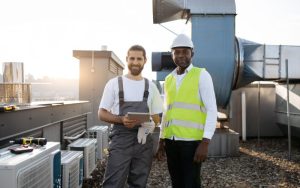
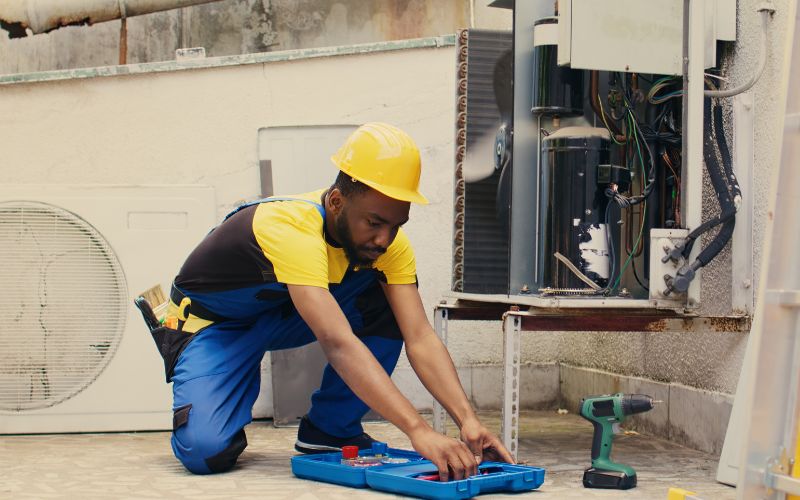
Old AC units were removed carefully. New energy-efficient units were installed. Fans were added to move air evenly. Air ducts were improved to reach all corners. Temperature sensors were installed. They monitored air conditions continuously. The installation was done in phases. Work could continue in parts of the warehouse. This avoided major disruptions. Workers were told what was happening. They could continue their tasks safely.
Worker Comfort After the Upgrade
After the AC upgrade, workers felt the difference. The air was cooler and fresher. Hot spots disappeared. Workers could move freely without feeling overheated. Breaks became shorter because workers stayed comfortable. Energy levels improved. Mistakes and accidents went down. One worker said, “I used to feel drained by 11 am. Now I feel fine until the end of the shift.” Comfortable workers are productive workers. Even small changes make a big difference.
Product Safety and Quality
Air circulation protects products too. Temperature-sensitive items like food or electronics need stable conditions. Before the upgrade, some items were damaged. Humidity and heat affected their quality. After the upgrade, products stayed safe. Dust was reduced. Air moved evenly. Food lasted longer. Electronics were safer. Even small adjustments, like cleaning vents or adding a fan, help protect goods.
Energy Savings
The new AC system used less energy. Fans moved air without running AC units too hard. Even with better cooling, energy costs dropped. The warehouse became more efficient. Using modern AC units and proper airflow reduced hot and cold spots. This meant less wasted energy. The management reported noticeable savings on electricity bills. Small investments in AC upgrades gave big returns.
Lessons Learned
Planning is very important. Measure temperatures before installing new systems. Worker feedback is helpful. Employees know which areas are hardest to work in. Listening to them improves comfort and productivity. Simple solutions often work best. Adding fans, cleaning ducts, and upgrading AC units can make a big difference. Small steps today prevent bigger problems tomorrow.
Real-Life Examples
At Airhive Uk, we saw one warehouse with no AC in some areas. Workers were tired, and products were dusty. Fans and vents were installed. The difference was clear. Workers felt better. Dust reduced. Productivity improved. In another warehouse, food products were spoiled quickly. Ducts were cleaned, and new AC units were installed. Perishable items lasted longer. Workers stayed healthier. Energy costs dropped. These examples show that even small improvements matter. You do not need a complicated system to see results.
Tips for Warehouse AC Upgrades
- Check temperatures regularly. Identify hot and cold areas.
- Ask workers about problem areas. They know which spots are uncomfortable.
- Invest in energy-efficient AC units. Modern systems save money and improve comfort.
- Use fans to move air evenly. Hot and cold spots disappear.
- Maintain AC systems. Clean filters and ducts regularly.
- Small actions can improve comfort, safety, and productivity quickly.
Conclusion
This case study shows that upgrading AC systems improves worker comfort, productivity, and product safety. Workers are healthier and happier. Products stay safe. Energy costs drop. Even small changes make a big difference. Measuring conditions, listening to workers, and improving airflow step by step create a better warehouse. At Airhive Uk, we recommend starting small. Upgrade AC units, add fans, and maintain airflow. A cooler, fresher warehouse leads to happier workers and better operations.
Frequently Asked Questions
How long does an AC upgrade take?
It depends on the size of the warehouse. Large spaces may take weeks.
Will productivity improve after upgrading AC?
Yes. Comfortable workers work faster and make fewer mistakes.
Will energy bills increase?
Not always. Modern AC units and fans reduce energy use.
Do all areas need AC units?
No. Fans can move air to reach difficult spots.
Can AC upgrades protect products?
Yes. Stable air reduces damage and spoilage.