
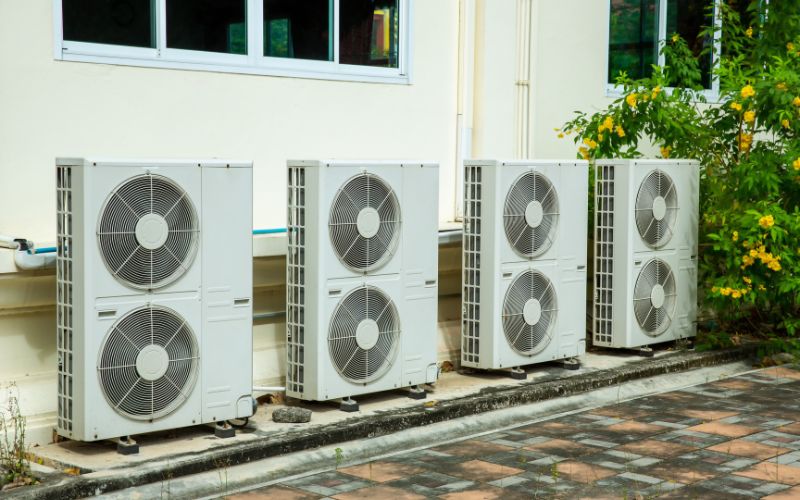
A restaurant lives by more than meals alone. Comfort wraps around people the moment they step inside. Should the air feel too warm or too cold, irritation creeps in – mood shifts, patience. Workers move slower when sweat dots their brows. A steady hum from the cooling unit keeps tension low, energy up. Breakdowns disrupt rhythm, silence laughter, shorten stays. Reliable airflow shapes how long folks linger, how full glasses stay. Cold breath from above holds the room together.Yet trouble often starts when warnings get overlooked. Because of this, tiny problems grow into expensive failures. That is why spotting the obvious signals matters right away if you want to avoid downtime affecting operations.
How restaurant AC system Affects Operations
What happens when the air conditioner fails? The effects go beyond just rising temperatures inside a dining space.
It can:
- Reduce customer satisfaction
- Affect food quality
- Increase energy bills
- Create health and hygiene risks
Catching problems fast means fewer headaches later – keeps trust steady too.
1. Weak Or Inconsistent Airflow
A draft might hint at trouble if certain spots seem chilly but nearby zones hold warmth. Feel around – uneven temperatures often mean something is off.When vents get clogged or filters gather gunk, things start going off track. A fan that sputters weakly can add to the mess slowly piling up inside. Uneven air flow creeps in without warning. Balance slips as the whole setup works harder just to keep steady.Your kitchen stays stuffy even though the air conditioner runs constantly. When cooling takes longer than usual, pay attention right away. A delay means more stress on the unit over time.
2. Unusual Noises Coming from the Unit
Banging or hissing from your air conditioner? That’s not normal. Most cooling systems hum quietly while running. A sudden rattle might mean something inside is loose. Clicking at startup could point to an electrical issue. Squealing often suggests motor trouble. Odd sounds deserve attention before they turn into bigger problems.
Listen for:
- Grinding
- Banging
- Screeching
Loose pieces inside might rattle without warning. When the room fills up, those clatters travel fast – suddenly everyone hears them.Hear a strange noise. That could mean trouble ahead for your restaurant’s cooling setup. Spot it early, because waiting might lead to bigger problems down the road.
3. Rising Energy Bills Without Clear Cause
A jump in your power cost could point straight to the air conditioner acting up. Sometimes it’s not the meter, just the cooling unit struggling behind the walls.A machine fighting to cool drinks harder runs hotter when parts age. Dirty screens slow airflow – old motors strain under the load because leaks steal cold juice.Funny how electric costs creep up even when nothing seems different – chances are, the kitchen cooler isn’t running right. Spotting trouble before it grows keeps bills lower and performance steady.
4. Unpleasant Smells in the Dining Room
A whiff of something off can stick with people longer than words. When folks walk into a place and catch an unpleasant scent, it lingers in their memory – often more than service or price. First impressions? Often silent. Invisible. Driven by air quality. A sour note on entry might mean fewer footsteps through the door later. Comfort isn’t just visual – it breathes too.
A Faulty restaurant AC system Can Spread Mold And Bacteria
- Musty smells from mould
- Burning smells from electrical faults
- Greasy odours from kitchen buildup
Mold and dust tend to grow deep within air passages or filter material. When disturbed, particles travel through every room.Odd smells from your restaurant’s air conditioning mean it must be cleaned or fixed right away.
5. Poor Temperature Control
A steady temp during operation? That’s what your air conditioner ought to deliver. Trouble kicks in when hitting – or keeping – the set point becomes a challenge.
This might happen because of:
- Faulty thermostats
- Refrigerant leaks
- Compressor issues
Folks start fidgeting when things go wrong, yet workers slow down too. Without cool air running right, meals get messy fast inside eateries.
6. Frequent Cycling On and Off
Frequent switching of your air conditioner might ring a bell. That behavior has a name – it’s called short cycling.
Who knows – small things can point to bigger problems, like these ones here:
- Overheating
- Sensor faults
- Electrical problems
7. Excess Humidity Indoors
A blast of warmth rises every time a stove fires up, steam following close behind. Even so, the cooling setup must keep pace without stumbling.A sticky feeling in the air inside means something is off with how the system runs.
High humidity can:
- Damage interiors
- Encourage mould growth
- Make guests uncomfortable
Humidity stays under control when a restaurant’s air conditioning runs smoothly. Without it, repairs must begin right away.
8. Water Leaks Around the Unit
Puddles forming by your air conditioner? That’s always a sign something’s off. Usually, clogged drains or icy coils are behind it.
If ignored, leaks can cause:
- Floor damage
- Electrical risks
- System failure
Water near your restaurant’s AC unit? Pay attention. Acting fast stops expensive fixes down the road.
9. Staff and Customer Complaints
A signal can be quiet – like a comment from someone passing through. When workers say the room feels stuffy, pay attention. A remark about warmth might mean something bigger. Skip pretending it’s nothing. Notice what people actually say when they walk out sweating.
Comfort directly affects:
- Customer stay time
- Repeat visits
- Staff efficiency
If folks start grumbling more about the heat, maybe the cooling unit isn’t doing its job right.
Immediate Maintenance Effects
Once you spot the signals, moving forward makes sense. Acting early brings noticeable rewards.
It helps you:
- Avoid sudden breakdowns
- Extend system lifespan
- Reduce energy costs
- Maintain a pleasant dining environment
Besides keeping trust alive, it shields how others see you. When running a place that serves meals, feeling at ease matters just as much as what’s on the plate.
Simple Preventive Tips
Even though expert maintenance matters, tiny efforts help too when it comes to looking after your setup. A little care goes a long way if done regularly between visits from specialists.
Every now and then, swap out filters or give them a good cleaning
- Keep vents clear and open
- Schedule routine inspections
- Monitor temperature consistency
Fewer demands on your machine happen when you follow these steps, which means things run smoother. Performance gets a quiet boost without extra effort showing up anywhere.
Final Thoughts
A meal might taste perfect, yet people still leave unhappy. When seats pinch, lights glare, or the air feels stale, nobody stays long. Good flavors need good surroundings to truly shine.Out of nowhere, a struggling air conditioner starts showing problems. Start now, before things go wrong. Early steps prevent trouble later on. Staying ahead with routine care keeps the air fresh. Comfortable spaces come from steady attention. When the cooling works smoothly, people relax without thinking about it.
FAQs
-
How often should a restaurant AC system be serviced?
Twice a year keeps things running right – maybe more if you push it hard. A few months between tune ups works well when used regularly.
-
What are the first signs of AC failure in a restaurant?
A single weak blast of air might mean trouble ahead. Strange sounds can come from inside the unit when things go wrong. Cooling that falls short often shows up before total failure.
-
Can a faulty AC system affect food quality?
Freshness might slip when temperatures swing too much. Humidity levels out of balance often invite spoilage.
-
Why is my restaurant AC system making noise?
It may have loose parts, worn components, or internal damage.
5. Does AC maintenance reduce energy bills?
Yes, regular maintenance improves efficiency and lowers energy use.